
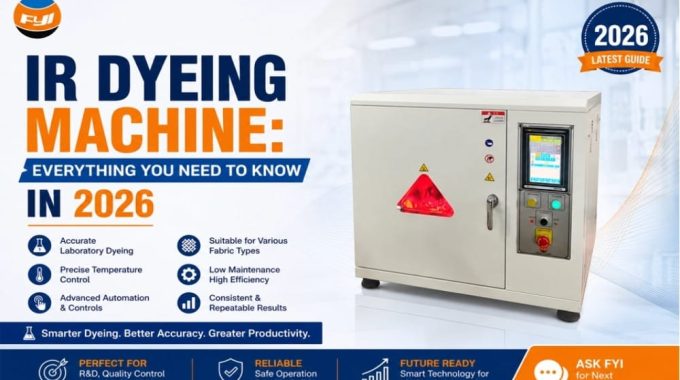
IR Dyeing Machine: Everything You Need to Know in 2026
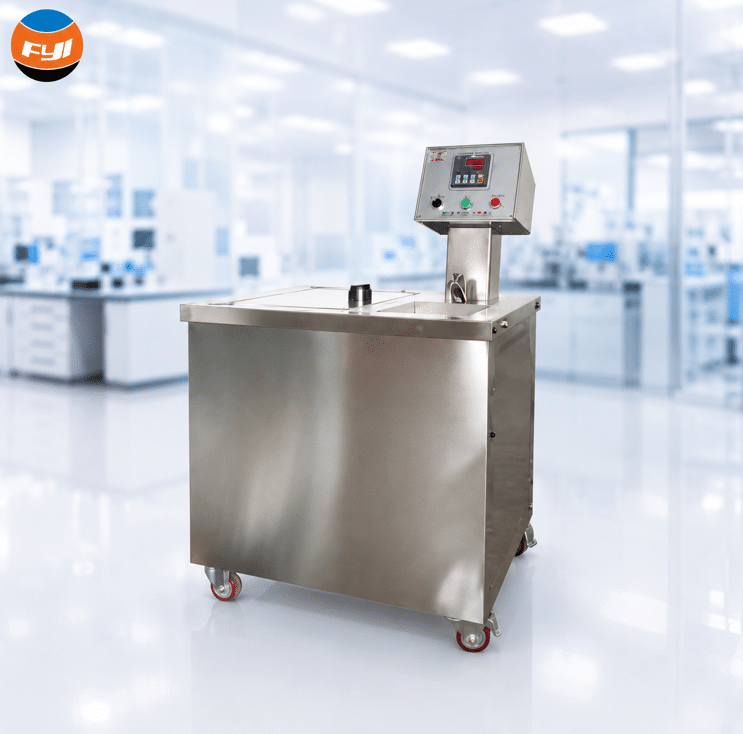
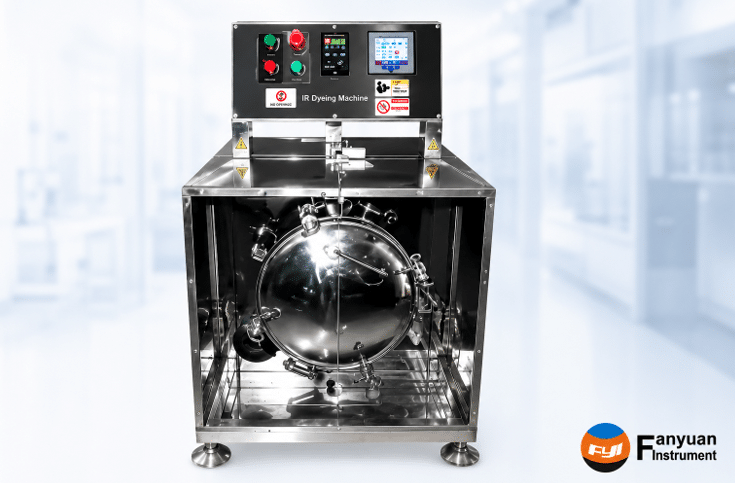
The IR dyeing machine is designed to provide accurate and repeatable dyeing to develop textile samples, match colors and test in the laboratory. It is also called an infrared dyeing machine, which can provide accurate temperature control and enhance the dyeing efficiency for various fabrics.
No matter whether you are considering an Infra Color dyeing machine, an IR lab dyeing machine, or an IR beaker dyeing machine, it is crucial to know how it works, what type of fabrics it is suitable for, how to select a machine, how to maintain it, and how to automate it. This guide highlights these crucial factors to ensure that you select and use the correct IR dyeing machine for the best results.
IR Dyeing Machine Process Flow Step by Step
The IR dyeing process is the preparation of the fabric sample, dye solution preparation, loading of beakers, setting of dyeing program, infrared heating, cooling, washing, and drying of fabrics, and evaluation of the finished colour. This controlled process allows an infrared dyeing machine or IR lab dyeing machine to provide accurate and repeatable dyeing for lab tests and recipe creation.
1. Fabric Sample Preparation
Cut out the fabric into the correct size, and record its weight. If necessary, clean the sample to remove oils, dust, or finishing chemicals that may interfere with dye absorption.
2. Dye Solution Preparation
Mix dye liquor by dissolving dyes and necessary auxiliaries as per the recipe. Accurately measure all chemicals for consistency in the lab.
3. Beaker Loading
Put the dye sample and dye solution in the dyeing beaker. Cover the beakers tightly before putting them in the IR dyeing machine, as they will be lost by evaporation while heating.
4. Program Setup
Determine the parameters of the dyeing operation, such as heating rate, target temperature, holding time, and cooling cycle. Infrared dyeing machines are modern machines and have programmable controls to manage the process.
5. Infrared Heating and Dyeing
Heat each beaker evenly with infrared radiation so the dye can go into the fabric evenly. The Infra Color dyeing machine is designed to provide a stable temperature in the system throughout the dyeing process.
6. Cooling and Beaker Removal
Once the holding time has elapsed, the machine is used to slowly cool the beakers. Carefully remove the beakers and dyed fabric samples.
7. Washing and Drying
Clean the dyed material to remove unfixed dye and wash and dry as per the standard test or production needs.
8. Color Evaluation
Check for shade accuracy, levelness, and dye penetration at the end of the sample. These results can be used to optimize recipes before transferring to the IR lab dyeing machine or IR beaker dyeing machine for bulk production.
Process Flow at a Glance: Fabric Preparation → Dye Bath Preparation → Beaker Loading → Program Setting → Infrared Heating → Cooling → Washing & Drying → Color Evaluation
Fabric Types Suitable for IR Dyeing Machines
Cotton
Cotton is one of the more popular fabrics to test in an IR lab dyeing machine and is very receptive to a wide range of dyes, such as reactive, direct, and vat.
Polyester
Disperse dyes are used for polyester dyeing, and the process is carried out at high temperatures. An infrared dyeing machine can offer accurate control of heat to ensure consistent penetration and shade.
Wool
Acid dyes are used for wool dyeing, which is usually done with the color added in a controlled environment to avoid damaging the fibers and to achieve uniform coloring.
Silk
Acid or Reactive dyes are used for dyeing silk under gentle conditions. To achieve even dyeing, the IR beaker dyeing machine can help to control the temperature.
Nylon
The nylon can be dyed with acid and disperse dyes. Excellent color uniformity and dye set with controlled heating.
Viscose and Rayon
These cellulose fibers are regenerated and absorb dye efficiently, and are used regularly for colour matching and for optimisation purposes.
Read More: Top 10 IR Dyeing Machine
Blended Fabrics
Different combinations of cotton and polyester, and different conditions can be used to dye cotton-polyester blends.
Technical and Performance Textiles
An Infra Color dyeing machine is also available to test the dye performance on a special type of textiles for research, product development, and quality control before production.
How to Choose the Right IR Dyeing Machine for Production
The IR dyeing machine selection should be based on the production capacity, fiber type, beaker capacity, temperature range, automation, and accuracy of the process. Ideal machines should provide consistent lab results, recipe development, and production scale-up efficiencies.
Match the Machine to Your Application
Choose an IR lab dyeing machine for sample dyeing, color matching, and optimizing the dyeing recipe. If you need to perform more tests, opt for one with the added beaker positions and programmable dyeing cycles.
Check Temperature Control
An infrared dyeing machine should have an accurate temperature control, even heating, and programmable heating/cooling cycles to achieve repeatable dyeing results.
Evaluate Beaker Capacity
Select the appropriate IR beaker dyeing machine according to the number of beakers and their size, according to the laboratory testing amount, and testing throughput per day.
Consider Automation Features
Search for programmable controller, touch screen operation, automatic temperature control, and data storage to minimize manual operation and ensure the consistency of the process.
Check Fabric & Dye Compatibility
Make sure that the machine will allow you to work with the fibers and classes of dyes that work in your lab, such as cotton, polyester, wool, silk, nylon, and blends.
Review Build Quality and Support
The reliable technical support, durable construction, and easy availability of spare parts in an Infra Color dyeing machine minimizes downtime and guarantees long-lasting performance.
Maintenance Guide for IR Dyeing Machines
By taking care of the equipment regularly, dyeing accuracy will improve, equipment life will extend and unexpected downtime will be reduced.
Clean the Beakers After Every Cycle
Wash all beakers as soon as they have been used to remove any dye and/or chemicals. To avoid contamination and uniformity in dyeing, rinse and dry them before each test.
Inspect Seals and Mechanical Components
Inspect wear and damage on beaker seals, gaskets, lids and rotating parts. By replacing the worn parts in time, it can not only prevent the leakage phenomenon, but also ensure the performance of the infrared dyeing machine.
Calibrate the Temperature System
Use calibrated instruments to test the machine’s temperature accuracy on a regular basis. A good calibration makes for even heating, accurate colour matching and consistent laboratory colouring.
Keep the Machine Clean
Clean the inside and outside surfaces of the machine to remove dust, lint and chemical deposits. Regular cleaning helps to keep sensitive parts in good condition and ensures effective functioning.
Follow a Preventive Maintenance Schedule
Institute and follow manufacturer’s recommendations for electrical connections, heating elements and control systems inspection. A scheduled service will help prolong the life of your IR lab dyeing machine and help mitigate the chances of unexpected failures.
Automation and Control Systems in Modern IR Dyeing Machines
Programmable Dyeing Programs
Multiple dyeing programs with different temperature, heating rate and holding times can be created and saved by the operator. This will make the results of dyeing tests repeatable.
Precise Temperature Control
The dyeing machine is automatically controlled to keep the programmed temperature during the dyeing cycle, which is achieved by an infrared dyeing machine. Right temperature control results in better dye penetration and color repeatability.

Automatic Heating and Cooling
Cooling and heating are automatically regulated by modern heating systems. This will help to reduce process variations and avoid cold and hot changes on fabrics.
Touchscreen and Digital Controls
There are also IR lab dyeing machines that come with a touchscreen interface that makes it easy to select and adjust parameters. Digital displays also can offer the process information in real time, for improved monitoring.
Data Recording and Process Monitoring
The parameters of the dyeing process (such as temperature and cycle time) are recorded by the advanced machines. The stored data ensures quality control, process validation and the maintenance of production standards.
Conclusion
An IR dyeing machine is a must-have tool for precise lab dyeing, color matching and process check prior to bulk dyeing. The knowledge of the process flow, the types of fabric that can be used, the selection criteria, the maintenance needs and the automation options of the textile manufacturing process contribute to better efficiency in the testing process and consistent dyeing results.
With ongoing advancement in smarter automation and digital process control, infrared dyeing machines will become more critical to achieve higher productivity, accuracy and sustainable dyeing.
Looking for the right IR lab dyeing machine or need expert guidance on your next textile testing process? Contact FYI Tester to explore advanced laboratory dyeing solutions and find the equipment that best fits your testing and production requirements.
IR Dyeing Machine FAQs
How do you maintain an IR dyeing machine?
Perform IR dyeing machine maintenance after each dyeing cycle, check sensitive parts, adjust the temperature system and perform preventive maintenance.
What automation features are available in modern IR dyeing machines?
The modern IR dyeing machine features programmed controls, accurate temperature control, automatic heating and cooling and control monitoring throughout the dyeing process. These features ensure dyeing uniformity, decrease the manual work and increase the efficiency of the laboratory.
What fabric types can an IR dyeing machine dye?
The IR dyeing machine can be used to dye most natural, synthetic, and blends of fabric in the lab for dyeing, color matching, and recipe development. The best dyeing conditions will vary depending on the fibre type, the dye class, and the processing temperature.