
About Rapier Loom Machines: Types, Working Principles & More
Are you looking for a weaving machine that can handle different types of fabrics with great quality? The textile industry has changed a lot over the years, and rapier loom machines have become one of the best choices for modern weaving.
Whether you run a textile factory, work in a research lab, or manage quality control, knowing about rapier weaving machine technology helps you do your job better. These machines are quiet, efficient, and can make many different kinds of fabrics.
This article will cover what rapier loom machines are, the different types, how they work, their performance features, quality standards, pricing, and what maintenance they need to keep running smoothly. Let’s dive in:
What is a Rapier Loom Machine?
A rapier loom machine is a modern weaving machine that doesn’t use the old-style shuttle. Instead, it uses special finger-like parts called rapiers to carry the weft thread across the fabric.
This rapier machine technology started in 1972 and has gotten much better over time. The way it works is simple but clever. One rapier (called the giver) picks up the weft thread and carries it to the middle of the fabric.
At the same time, another rapier (called the taker) comes from the other side to meet it. They pass the thread between them at the center, and then the taker carries it to finish the line.
Modern rapier weaving machines work fast, reaching speeds of 1,500 meters per minute. They can make light fabrics weighing just 20 g/m² or heavy industrial fabrics up to 850 g/m². This makes them perfect for making many different types of textiles.
Types of Rapier Machines
There are special rapier machines designed for specific jobs. Two-phase rapier systems are really interesting because they can weave two separate pieces of fabric at the same time.
One rapier picks up thread from the center and weaves it into one area. When it finishes, the other end of the same rapier picks up another thread and weaves in the opposite direction. This doubles how much fabric the rapier weaving machine can make.
For research labs and schools, there are special sample looms that are smaller and designed for testing.
These rapier loom machines help you make small pieces of fabric to test before you start making large amounts. They’re essential for developing new fabrics and teaching students how weaving works.
1. Rapier Loom Machine DW598
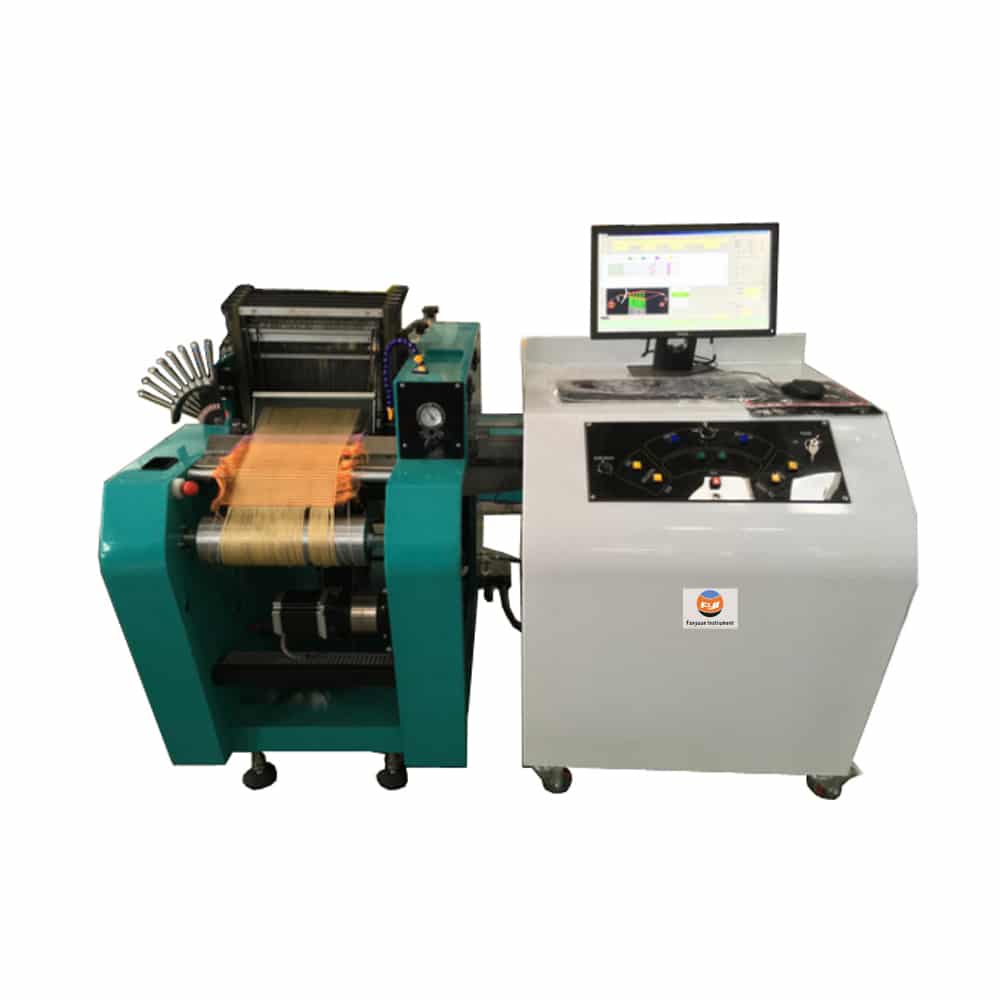
The DW598 rapier loom machine is made specially for schools, research labs, and testing centers. This mini weaving machine uses high-quality imported parts that make it reliable and steady during testing.
The size of the machine is designed to make samples that closely match what you’d get from full-size production machines, which is really important for accurate testing.
This rapier machine is very versatile and can handle many different types of threads and fabrics. Universities use it for teaching students about weaving. Research centers use it to develop new fabric types.
Companies use it to test samples before placing big orders. The automatic operation means it doesn’t need constant attention, and it produces consistent results every time.
Main Features of DW598
- Runs by itself with electronic controls, so you get the same quality every time without someone watching it constantly
- Uses imported motors and control systems that last a long time and work reliably
- Can make fabrics from 10 to 300 picks per inch, so you can test many different types
- Handles cotton, polyester, chemical fibers, and special threads from thin to thick counts
- The samples it makes match what big production machines would make, so your tests are reliable
- Perfect for schools because students can see how it works and learn the weaving process clearly
2. Rapier Sample Loom DW298
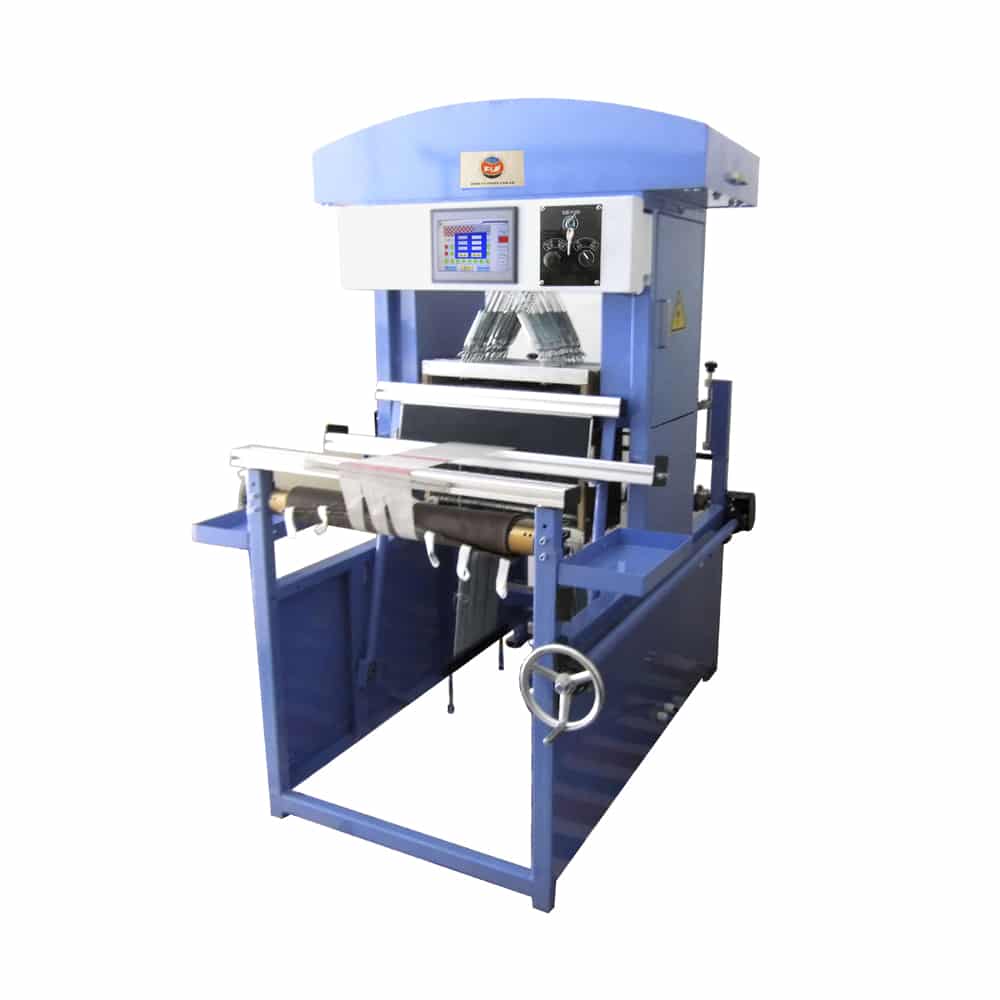
The DW298 semi-automatic rapier loom machine gives you more hands-on control while weaving.
This rapier weaving machine costs less than fully automatic models but still does an excellent job making samples. It’s perfect for labs and research centers that want to adjust things while the machine is running.
This rapier machine can weave cotton, wool, jute, silk, chemical fibers, and mixed materials. This makes it valuable for import-export companies that need to check different fabric samples.
Research institutes use it to compare how different materials perform. The semi-automatic design lets operators watch what’s happening and make changes during weaving, which helps them understand how different settings affect the final fabric.
Main Features of DW298
- You can adjust things while it runs, which is great for research and testing different settings
- Successfully weaves natural and synthetic fibers and blends for complete testing
- Costs less to buy than fully automatic rapier loom machines while still handling research work well
- You can change thread tension, fabric density, and other settings to experiment and find the best results
- Doesn’t take up much room, which is perfect for labs with limited space
- Simpler design with fewer automatic parts means it’s easier and cheaper to maintain
Working Principle and Testing Method of the Equipment

Understanding how a rapier loom machine works helps you use it better and fix problems when they happen. The rapier weaving machine follows a cycle with four main steps that repeat over and over to make fabric.
1. How the Weaving Cycle Works?
Here’s the step-by-step working process:
Making the Shed: First, the warp threads (the long threads) separate into two groups, creating an opening called a shed. The rapier passes through this opening to put in the weft thread.
Modern rapier machines use air pressure or electronic systems to control up to 20 different thread groups, which lets you make complex patterns. The timing has to be perfect so the shed opens just when the rapier needs to go through.
Putting in the Weft Thread: The rapier head carries the weft thread through the shed. In machines with two rapiers, the giver starts from one side and carries the thread to the middle.
The taker comes from the other side to meet it. They pass the thread between them, and the taker finishes by carrying it all the way across. Because everything is controlled mechanically, the rapier loom gets the thread in exactly the right place every time.
Pushing the Thread: After the weft thread is in place, a comb-like part called the reed pushes it tightly against the fabric that’s already made. Good rapier weaving machines let you adjust how hard it pushes.
This is important because different fabrics need different amounts of force. If you push too hard, you might damage the threads. If you don’t push hard enough, the fabric will be loose.
Moving the Fabric: As the fabric gets made, the take-up system rolls it onto a big roller. At the same time, the let-off system releases more warp thread to keep everything at the right tension.
Modern electronic systems control both of these automatically. You can program exactly how tight you want the fabric, and the rapier machine adjusts everything by itself.
2. How the Machine Moves?
The mechanical movement system determines how efficiently and smoothly your rapier loom machine operates during production.
The rapiers in a rapier loom machine move back and forth using either links or cams. Link systems are simpler, quieter, use less energy, and cost less. They’re good for most regular weaving jobs. Cam systems are more complex but can make the rapiers pause at certain points, which helps with some special fabrics.
In rigid rapier systems, one rapier bar has heads on both ends. It turns from the center and puts in thread on the left side, then on the right side, one after the other. This keeps the rapier weaving machine running smoothly at high speeds.
3. Testing and Quality Control
Quality control systems built into modern rapier weaving machines help catch problems before they affect your fabric.
Checking for Thread Problems: Modern rapier loom machines have electronic sensors that watch the weft thread. These sensors check if the thread made it all the way across.
Different systems work in different ways. Some use pressure, some use electromagnetic signals, and some use light beams.
They all do the same job—making sure every thread is in the right place. If a thread breaks or doesn’t go all the way across, the sensor tells the machine to stop so you can fix it.
Minimum Operating Speed: The electronic sensors need the rapier machine to run at a certain minimum speed to work properly.
The speed depends on the thread angle, what the thread is made of, how thick it is, and the sensor settings. The system needs enough contact with the thread to tell if it’s moving correctly.
Performance Testing: To make sure your rapier loom machine is working well, you should test several things regularly. Check that the weft thread goes in consistently across the whole fabric width.
Verify that the shed opens at the right time at different speeds. Test that the reed pushes with the same force every time. Make sure the take-up and let-off systems work together properly.
Check the fabric quality when using different types of thread. These tests help you catch problems early before they affect your fabric quality.
Performance and Technical Parameters of the Equipment

Knowing what a rapier loom machine can do helps you decide if it’s right for your work. Let’s look at the important performance features and technical details.
1. Speed and How Much You Can Make
Production speed directly affects your output and profitability when running a rapier loom machine. Modern rapier weaving machines run at good speeds while still making high-quality fabric. Most run at 200 to 260 picks per minute for regular fabrics.
Advanced rapier machines can reach up to 1,500 meters per minute, which is almost as fast as air jet looms. This makes them faster than old shuttle looms but a bit slower than some other modern machines. The balance between speed and flexibility makes them very useful.
How much fabric you actually make depends on several things. The quality of your thread matters a lot. Better thread runs smoother and breaks less, so the rapier loom machine can run faster. Complex patterns take longer than simple ones.
Well-maintained machines run better than poorly maintained ones. Experienced operators get more production than beginners. For sample looms like the DW598, you can make fabrics from 10 to 300 picks per inch, which gives you lots of options for testing.
2. Important Technical Details
Knowing the technical specifications helps you match the right rapier weaving machine to your production requirements.
Fabric Width: Rapier loom machines can make fabrics up to 110 inches wide without major changes. This wide width works well for making home furnishings, industrial fabrics, and technical textiles. Sample looms are usually narrower, which saves material when you’re just testing.
Thread Types: The rapier weaving machine can handle thread counts from 7s (thick) to 100s (thin) in cotton, polyester/cotton, chemical fibers, and other materials. This wide range means you can make everything from heavy industrial fabrics to fine luxury textiles on the same machine. You don’t need to buy different equipment for different thread types.
Pattern Capability: Advanced rapier machines can control up to 20 different groups of threads at once. This lets you make complex patterns including fancy designs and multi-layer fabrics. The thread controllers are made from treated aluminum that resists wear, so they last a long time and work consistently.
Thread Control Systems: Electric motors control how much warp thread is released and how fast the finished fabric is rolled up. These motors automatically adjust the tension as the big rolls of thread get smaller or larger. This keeps everything consistent throughout production without someone having to watch and adjust manually.
3. Energy Use and Environmental Benefits
Energy efficiency and environmental impact are increasingly important factors in selecting textile manufacturing equipment.
Rapier loom machines use energy efficiently compared to other weaving methods. Modern rapier machines with special motors use more than 10% less electricity than older designs with clutches and brakes.
The electronic controls adjust the speed precisely through a keyboard, which saves setup time and energy. Unlike water jet looms, rapier weaving machines don’t need water. Unlike air jet looms, they don’t need high-pressure air.
This makes rapier machines better for the environment and cheaper to run. You don’t need to worry about water supply, treating wastewater, or using energy to dry the fabric. This is especially helpful if you’re in an area where water is scarce or expensive.
4. Noise Levels
Workplace noise levels affect worker health, comfort, and productivity in textile manufacturing facilities.
Rapier loom machines run fairly quietly compared to old shuttle looms. They make about the same amount of noise as projectile looms, which is much less than the loud banging of shuttle looms. Quieter machines make the factory a better place to work.
Workers are more comfortable, less tired, and may not need as much hearing protection. It’s also easier for people to talk to each other on the factory floor.
Product Quality and Brand Reputation

When you’re buying a rapier loom machine, quality matters a lot. A good machine will last longer, make better fabric, and cause fewer problems. Let’s look at what makes a quality rapier weaving machine.
1. What to Look for in a Quality Machine?
Identifying quality indicators helps you invest in a rapier loom machine that delivers reliable, long-term performance.
Good Parts: The parts inside a rapier loom machine determine how well it works and how long it lasts. Good machines use high-quality imported parts for the important functions.
This includes the air pressure controls that open the shed, the electric motors that control thread tension, the electronic brain that runs everything, and the rapier mechanisms themselves.
When you’re shopping for a rapier machine, ask where the parts come from and check their specifications.
Strong Construction: Look carefully at how the machine frame is built. Quality rapier weaving machines have frames welded from strong steel pipes.
The geometry should be sound, and the frame should be rigid so it doesn’t vibrate when running at high speed.
The outside should have a baked paint finish that looks good and protects against rust. A well-built frame tells you the manufacturer cares about quality.
Fabric Quality: The real test of a rapier loom machine is the fabric it makes. A good machine produces fabric where all the threads are spaced evenly across the whole width and length.
The edges should be neat and consistent. There should be very little wasted thread. The fabric should have few defects.
When you make samples and then production fabric, they should look the same. This consistency is what you’re paying for.
2. Important System Features
Modern rapier weaving machines come with advanced features that improve both fabric quality and production efficiency.
One key feature is shed control, where air-powered and electronic systems replace older mechanical ones. These are more reliable, need less maintenance, and create neat fabric edges while keeping all thread groups available for patterns.
Another feature is thread control through the Programmable Filling Lamellae (PFL) system, which ensures even tension and reduces thread bounce or breakage, leading to smoother weaving.
Finally, sensors and detection systems check if the weft thread has crossed completely. If there’s a fault, the machine stops automatically, making it easier to fix the issue and preventing fabric defects.
Together, these features save time, reduce waste, and ensure consistent fabric quality.
3. Choosing a Brand and Supplier
When choosing a manufacturer or supplier for a rapier loom machine, think about long-term support and reliability. Pick companies with years of experience and a solid reputation.
Make sure they provide quick help with repairs and fast delivery of spare parts, since delays can stop production. Training for your operators and maintenance staff is also important. Always read the warranty carefully and ask for references from similar customers.
Good manufacturers also supply clear manuals, maintenance schedules, and troubleshooting guides. These resources help your team understand how to use, care for, and fix the machine.
With the right supplier, you not only get a quality machine but also the guidance needed to keep it running smoothly for years.
Does the Equipment Comply with Industry Testing Standards?

Rapier loom machines need to meet various safety and quality standards depending on where you are and what you’re making. Let’s look at the important standards and certifications.
1. Safety and Performance Standards
Compliance with industry standards is very important for rapier weaving machines because it ensures both safety and quality.
Machines must include safety features such as emergency stop buttons placed around the machine, protective guards to block access to moving parts, and electrical systems that follow safety codes to prevent shocks or fires.
Noise levels should remain within safe limits, and controls must be easy to use without strain.
In terms of performance, machines are required to place threads accurately, keep spacing consistent, and maintain precise shed timing to avoid thread damage, ensuring fabric meets quality standards.
Additionally, electronic controls must meet electrical and electromagnetic standards, work well in factory conditions, and not disturb other equipment.
2. Certifications to Look For
Quality certifications provide third-party verification that your rapier loom machine meets recognized manufacturing standards.
Good manufacturers provide certificates showing their rapier weaving machines meet recognized standards. Ask for ISO 9001 certification, which shows they have quality management systems to build machines consistently.
If you’re in Europe, CE marking shows the machine meets European safety standards. Look for electrical safety certificates from recognized testing labs. Environmental management certificates show the manufacturer cares about sustainable production.
For schools and research institutes, rapier loom machines should meet laboratory safety standards. They should meet specifications for educational equipment. They should follow accessibility guidelines so people with different abilities can use them.
3. Fabric Testing Standards
The fabrics produced on your rapier loom machine must meet industry quality standards for your target markets.
The fabrics made on your rapier machine must meet quality standards for your markets and customers. Common standards check fabric weight and thickness to ensure consistency. They test dimensional stability to make sure the fabric doesn’t shrink or stretch too much.
They measure tensile strength and tear resistance to ensure durability. They test colorfastness to make sure dyes don’t fade or run. They grade appearance and defects using standardized systems.
Sample looms used for quality control should help you test fabrics according to ASTM standards used in North America, ISO standards accepted internationally, and industry-specific standards for apparel, home textiles, or industrial applications depending on what you make.
Price, Cost-Effectiveness, and Maintenance Requirements of the Equipment

Understanding rapier loom price and the total cost of owning one helps you make smart buying decisions. Let’s break down the costs and what affects them.
1. What Affects Rapier Loom Price
Several key factors influence the purchase price of a rapier weaving machine for your facility. The cost of a rapier loom depends on several factors.
Semi-automatic sample looms are cheaper and fit for research or small-scale use, while fully automatic looms with electronic controls cost more but save labor and improve productivity.
Specialized machines, like jacquard or two-phase systems, are the most expensive but provide maximum versatility. Machine width also matters—wider looms cost more due to stronger frames and complex drives, but they allow larger fabric production.
Control systems affect price too; basic mechanical ones are cheaper, while electronic controls speed setup, handle more patterns, and often pay off over time.
Finally, brand and origin matter—European and Japanese machines are pricier with higher quality, while Chinese and Indian options are more affordable but still competitive.
2. Is It Worth the Cost?
When deciding if a rapier loom machine is a good investment, it’s important to look at the total cost of ownership, not just the purchase price.
Rapier looms produce fabric faster than shuttle looms and with fewer defects than air jet looms, helping save money on waste and improve quality. Modern designs also use around 10% less energy, cutting long-term electricity costs.
Since these machines are more automated, they need less operator attention and allow quick setup changes, which lowers labor expenses. They also waste less thread thanks to advanced control systems.
Lastly, one rapier loom can handle many fabric types, reducing the need for multiple machines and increasing flexibility.
3. Maintenance Costs and Requirements
Proper maintenance planning keeps a rapier weaving machine running smoothly and reduces costly breakdowns. Daily cleaning of lint and fibers, weekly lubrication, monthly inspections, and quarterly checks of electronics are essential.
Twice a year, a full system check with timing adjustments is recommended. Some parts, like rapier heads, grippers, tapes, reeds, and heald frames, wear out over time and should be budgeted for replacement.
Keeping spare parts such as heads, sensors, motors, and control modules in stock helps avoid production delays. Service contracts with suppliers or qualified companies ensure expert support, faster parts delivery, and reliable records.
Finally, training operators is key, as skilled staff can spot issues early, perform routine care correctly, and use the machine within safe limits.
4. How Long Will It Last?
Understanding the expected lifespan helps you calculate the true value of your rapier loom machine investment.
Quality rapier loom machines from good manufacturers last a long time when properly maintained. You can expect 10-15 years of primary production use with appropriate maintenance.
After that, the machine can serve another 5-10 years for sample production or less demanding work. Used rapier weaving machines hold their value fairly well because there’s demand for them.
Modern rapier machines are designed in modules, which means you can upgrade them over time. You can often add newer electronic controls, better thread insertion systems, or improved monitoring to existing machines.
This extends how long they stay competitive and delays when you need to buy a replacement.
Conclusion
Rapier loom technology is essential for modern textile manufacturing because it balances production speed, fabric quality, and flexibility. The rapier weaving machine handles everything from lightweight fabrics to heavy industrial textiles with excellent control and quality.
These machines run at competitive speeds, operate quietly, and use less energy than many alternatives. Whether you’re running a large factory or doing research in a university, rapier loom equipment gives you what you need to succeed in today’s textile markets.
The initial rapier loom price is justified by long-term benefits in quality, efficiency, and versatility. For more information about choosing the right rapier machine for your needs, contact at FYI Testers: https://fyitester.com/ .
Frequently Asked Questions
Q: What does a rapier loom machine typically cost?
Rapier loom price varies widely based on features and size. Basic sample looms start lower, while fully automatic production rapier machines cost more but save money through efficiency.
Q: How fast do rapier weaving machines run?
Most rapier machines run at 200-260 picks per minute, with advanced models reaching 1,500 meters per minute, offering good speed with excellent fabric control.
Q: What maintenance does a rapier loom need?
Daily cleaning, weekly lubrication, monthly rapier inspection, and quarterly electronic checks keep the machine running well for 10-15 years of primary use.
Q: Can rapier machines handle specialty yarns?
Yes, rapier loom machines excel with specialty and technical yarns because their mechanical control provides gentle, precise handling that other machines can’t match.